The Chris Jagger Foundation supports pioneering research at the intersection of neuroscience, sound, and stem cell science.
Our current projects focus on developing innovative treatments for epilepsy and related neurological disorders.
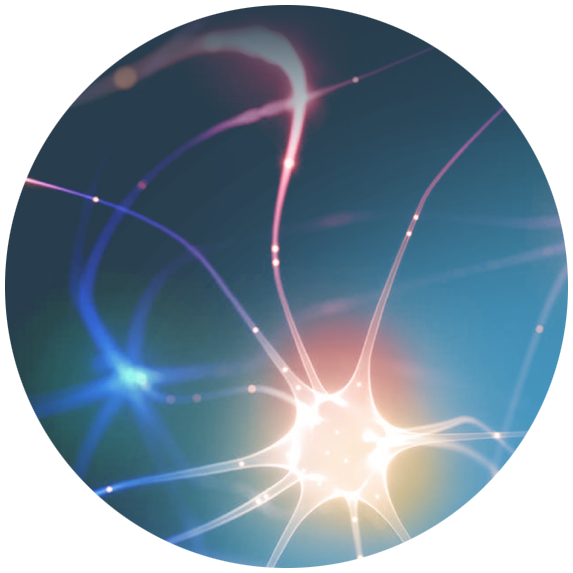
1. Using Stem Cells to Deliver a Natural Seizure-Suppressing Chemical
This project is exploring a breakthrough approach to treating severe epilepsy by using stem cells to deliver a natural brain chemical that calms overactive neural activity. The goal is to create a long-lasting therapy for people whose seizures do not respond to existing medications — offering sustained relief and renewed hope for improved quality of life.
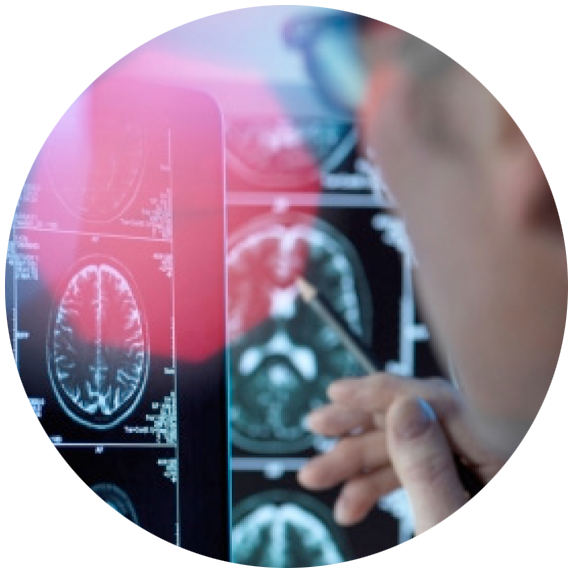
2. Developing a New Class of Medications for Epilepsy
Many people with epilepsy do not respond to current drugs. This project uses advanced human stem cell technology to develop therapies that strengthen the brain’s own defences against seizures. By targeting the underlying mechanisms of epilepsy, the research aims to pave the way for safer, more effective treatments for those living with drug-resistant forms of the condition
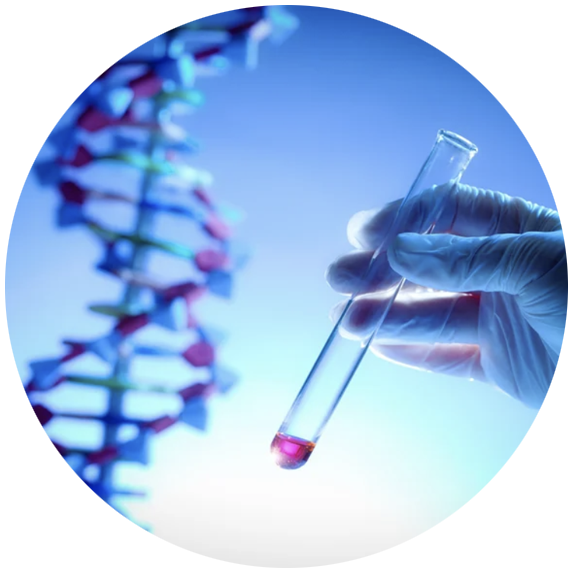
3. Personalised Treatments for Rare Genetic Epilepsy
Certain rare forms of epilepsy are caused by specific genetic mutations that resist conventional treatments. In this project, scientists grow a patient’s own cells into brain cells in the laboratory, enabling them to test potential drugs and identify treatments tailored to each individual. This personalised approach marks a major step forward in understanding genetic epilepsies and delivering truly customised care.
4. Biocomputing: Mimicking the Brain to Understand and Treat Epilepsy
This innovative project is developing a sensor-based biocomputing system that imitates how the human brain processes information. By integrating organic materials, sensors, and neuromorphic computing, it uses signals from stem cell–derived neurons to model real brain activity. This technology could reveal how seizures begin and evolve, leading to smarter diagnostic tools and more personalised therapies for epilepsy.